Walks · one sitting, about 14 min
Too many tabs open
For stress and overwhelm, when everything is due at once: meet the part holding all of it in the air, hear which tab it watches hardest, and ask, as a question rather than a promise, whether it would let you hold one.
14 steps, drawn from 18 books on IFS.
A draft: every passage it quotes is in its book, but its own wording has not yet been checked against them.
Read every step first
- When it is all due at once. This is for the days when everything is due and it has turned into one shapeless lump. Usually a part is holding the whole lot in the air so nothing gets dropped. Here you meet that part and check how it is holding up. You will not make a to-do list or fix the week. You stay with the parts that protect you, and you can stop at any point.
- A longer out-breath. If it is comfortable, let each breath out last a little longer than the breath in. If counting breaths feels like one more job, skip it, and put both hands flat on something solid instead: the desk, your knees, the floor.
- Name the open tabs. Without sorting them, name what is open. Short labels, like tabs along the top of a browser. Stop at six or seven, even if there are more.
- The one holding the tabs. Now turn from the list to whoever is holding it. Where is the holding happening in you? Forehead, shoulders, jaw, a hum in the chest?
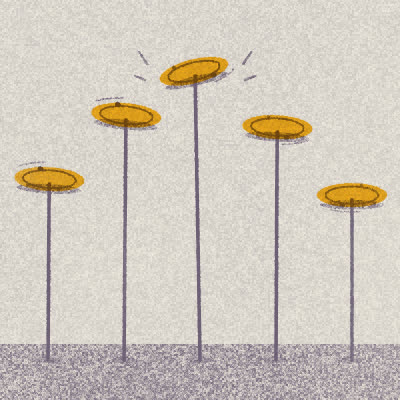
- What it looks like. Stay with it for a bit. Suppose it had a shape or a stance. What would that be? Someone spinning plates. An air traffic controller on a double shift. A pair of very tired arms. Whatever comes is right.
- Your feeling toward it. Toward the part holding the tabs, not toward the tabs. Answer with what is true rather than what sounds right, since this answer picks the next step.
- Which tab it watches hardest. Ask it which tab it watches hardest. And how long it has been holding things up like this. Wait for its answers rather than supplying them.
- If it put one down. Ask it what it fears might happen if it put down even one tab for an afternoon. Give it time to answer.
- Where did its answer point? Sometimes the fear is about now: the rent, the deadline, letting someone down. Sometimes it points further back, at someone younger inside you who got hurt and still carries it. Both are worth knowing. Only the first is for today.
- A question, not a promise. Offer it some hope, as a question: 'What if you did not have to hold all of it by yourself? Would you be interested?' Its job stays its job either way. Notice how it responds.
- One tab, handed over. Ask whether it would let you hold one tab. Only one, and maybe only until tomorrow. It picks which. It can take it back whenever it wants.
- Someone beside it. Before anything else happens, let it feel you here, next to it. A slower breath out toward wherever it sits. Nothing to ask it. For a moment it is not the only one holding things up.
- How loud is it now? The same scale as at the start. Any change is worth noticing. None is fine too: you have looked at the part holding the tabs, not only at the tabs.
- Before you go. Thank the plate spinner, and any part that made room or told you it was afraid. If it handed you a tab, keep hold of it as agreed. Tell them you will check in again only if you plan to. Then return to the room: your hands, the chair, the nearest window.
- Meet the one that keeps stepping in. Fine. This is the part to meet today. Ask it what it fears might go wrong if it gave you some room. Then wait for its answer instead of writing one for it.
- Where did its answer point? Sometimes the fear is about now: the rent, the deadline, letting someone down. Sometimes it points further back, at someone younger inside you who got hurt and still carries it. Both are worth knowing. Only the first is for today.
- Seen, and not today. If someone younger came forward, let it know you saw it and you will not forget it. You are not going to it today. You can leave yourself a note, so you know where to come back to.
- Stopping here is fine. If a part will not give you room today, you can stop here. Nothing has failed. Trust takes more than one sitting. If it told you what worries it, you can keep a note of that.
- Ask for a little room. Turn to the part that reacted. Ask whether it would make a bit of room for a while, so the plate spinner can be seen properly. It can stay close. If it fears the spinner will run everything, tell it you will not let that happen.